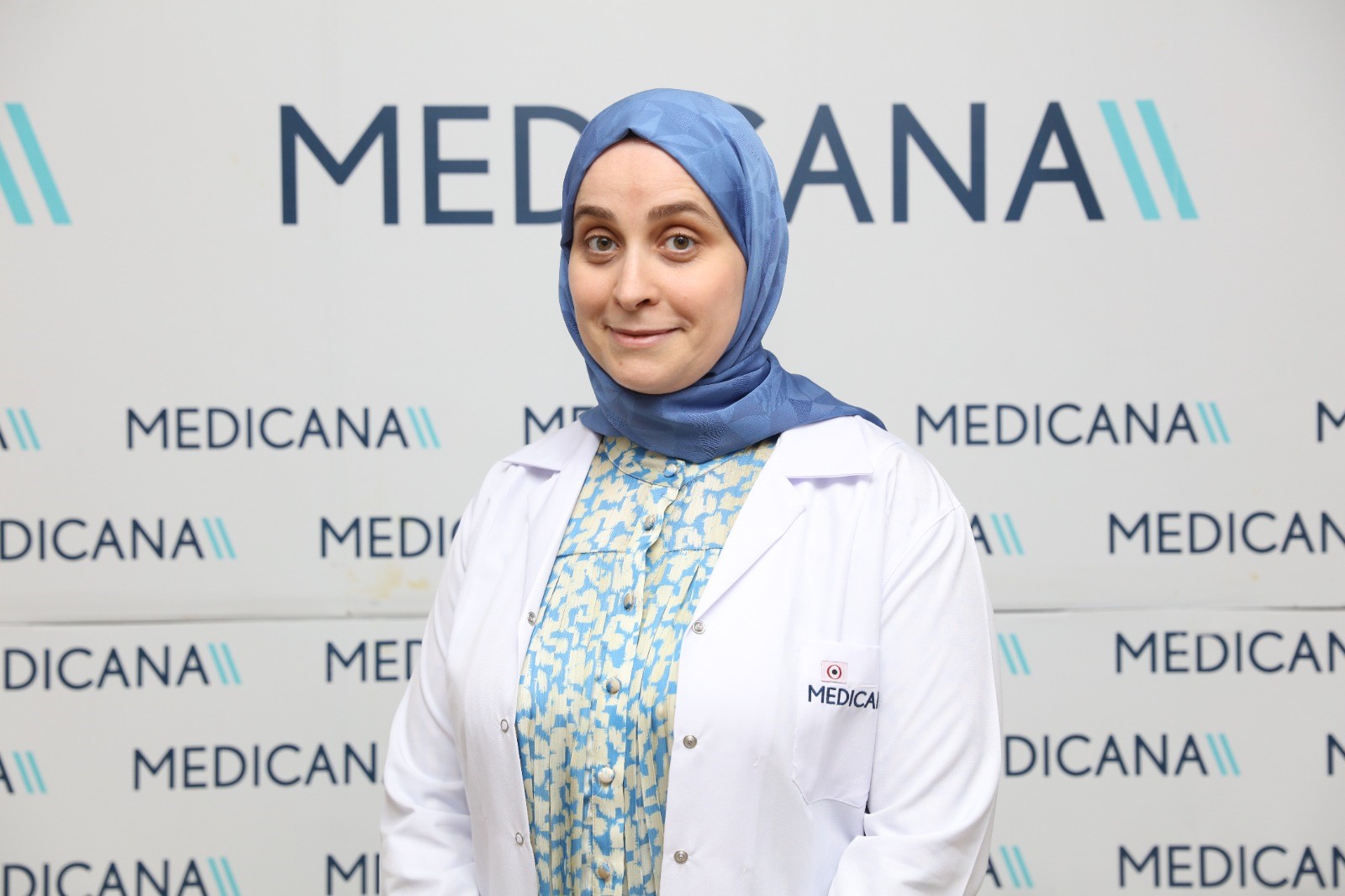
Stating that the sweltering heat brought by the summer season can make the pregnancy process difficult, Medicana Health Group Gynecology and Obstetrics Specialist Op. Dr. Tuğba Sekmenli Tursun said that expectant mothers who experience summer heat should take more precautions in this process.
Extreme heat can cause various problems for pregnant women. In this case, emphasizing that the candidates should be extremely careful for the health of themselves and their babies, Medicana Konya Hospital Obstetrics and Gynecology Specialist Op. Dr. Tuğba Sekmenli Tursun made suggestions for expectant mothers who will go on vacation.
“Air travel should be preferred for long journeys”
Experts warn those in the first trimester of pregnancy against the danger of miscarriage, while expectant mothers who have a normal pregnancy do not see any harm in going on vacation. Stating that the 11-36th week of pregnancy is the best time to travel, Op. Dr. Tuğba Sekmenli Tursun said, “Expectant mothers with miscarriage risk, premature birth risk, bleeding and clotting problems should consult with their physicians before traveling and decide. If there is no harm in traveling, it is safer to prefer air travel for long journeys. For longer than 3 hours of air travel, it is recommended to wear antiembolic stockings. If land transportation is preferred, a break should be taken every hour during the journey.”
Stating that hormonal and physiological changes due to pregnancy, weight gain, increased blood flow, decreased respiratory capacity, increased heart rate lead to more sensation of heat and humidity, Op. Dr. Tuğba Sekmenli Tursun said that water sports such as diving, jumping, beach volleyball, water skiing are not suitable for pregnant women who prefer sea holidays. Op. Dr. Tuğba Sekmenli Tursun also noted that intense exercises should be avoided and continued as follows: “In environments where there is a pool and sea, the sea should be preferred. The swimsuit should be changed immediately after the pool or sea. Because keeping the swimsuit wet can cause infections. It can cause urinary tract infections and even lead to premature birth.”
“Sunscreen and hats should be used to prevent pregnancy mask”
Stating that the skin can become more sensitive during pregnancy due to hormonal changes and that hot and humid weather affects expectant mothers more than others, Op. Dr. Tuğba Sekmenli Tursun said, “Especially the increase in estrogen and progesterone hormones causes melanocytes (cells that produce color pigment in the skin) to be more active. With the effect of increasing estrogen hormone during pregnancy, the skin becomes more sensitive to sun rays. This leads to the formation of some skin spots. Color changes in the skin and a pregnancy mask called melasma can occur on the face. Melasma develops as brown or gray spots on the face and is usually seen on the forehead, cheeks, upper lip, nose and chin. Sun rays can worsen this condition. For this, it is necessary to use sunscreen creams and wide-brimmed hats.”
Stating that blood circulation in the leg veins decreases due to the growth of the fetus in the womb and the pressure on the veins in the groin area from the 5th month of pregnancy, Op. Dr. Tuğba Sekmenli Tursun gave the following information: “When these are combined with the effects of increasing heat in the summer months, they can cause edema primarily in the feet, ankles and legs. Foods that will cause edema in the body should be avoided, and comfortable shoes should be preferred considering the discomfort caused by foot swelling. Low-heeled and sports shoes should be preferred. A completely flat-soled shoe preference should not be preferred as it may cause low back pain. Since cramps are common during pregnancy, it is recommended that they should not be alone while swimming.”
“Liquid consumption should not be neglected”
Gynecology and Obstetrics Specialist Op. Dr. Tuğba Sekmenli Tursun, who stated that the body loses more water due to the increasing temperature in summer, said that the most important issue is fluid consumption and should not be neglected. Emphasizing that in case of insufficient fluid intake, the problem of fluid loss called “dehydration” may develop, Op. Dr. Tuğba Sekmenli Tursun said, “When serious fluid loss occurs in the body, the blood pressure of the expectant mother may decrease. In addition, glucose and salt balances in the blood may be disrupted. Low fluid intake can lead to a decrease in the amniotic fluid in the baby, resulting in growth retardation in the baby and the risk of premature birth. Water consumption should not be neglected,” he said.
İHA Haber Kodu: 20240813AW266139