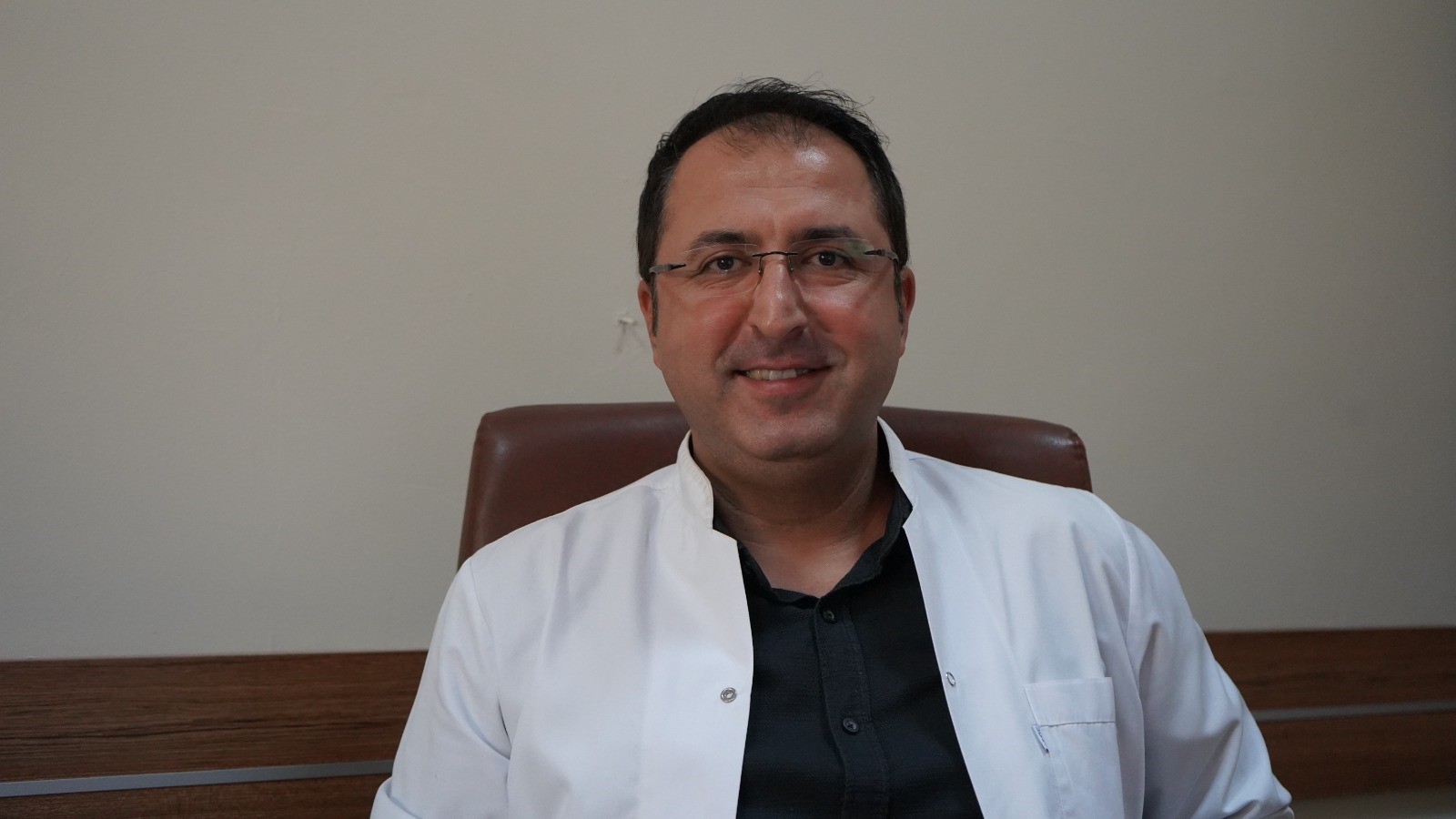
Neurology specialist Dr. Turgay Dölek shared important information about the disease within the scope of World Alzheimer's Day on September 21. Specialist Dr. Dölek said that 130 million people worldwide are expected to have Alzheimer's disease in 2050.
On September 21, World Alzheimer's Day, Neurology Specialist Dr. Turgay Dölek, one of the doctors of Şırnak State Hospital, who made important statements about the disease to the correspondent of İhlas News Agency (İHA), stated that Alzheimer's disease is usually seen in people aged 65 and over and that women are more likely to get this disease than men, and that 130 million people worldwide are expected to develop Alzheimer's disease in 2050. Specialist Dr. Dölek said, “Alzheimer's disease continues to be a public health problem for both the patient and the patient's relatives. Alzheimer's disease is the most common disease in the dementia group with a rate of 70 percent. It means forgetfulness disease. It usually affects individuals over the age of 65. It is a disease characterized by the death of cells in the brain. It is slightly more common in women than men. Alzheimer's disease is present in approximately 600 thousand people in our country. In the world, 47 million people have Alzheimer's disease. By the 2050s, this number is estimated to reach 130 million worldwide.”
Stating that people with Alzheimer's disease need support in their daily lives in the later stages of the disease, Specialist Dr. Dölek said, “Alzheimer's disease is a disease usually associated with advanced age. The disease consists of three stages. In the preclinical period before these stages, patients' insight is preserved and they can realize their forgetfulness and consult a physician. However, as the disease progresses, they forget their forgetfulness, so to speak, and their relatives or family members notice that the patient has difficulty in doing some tasks in their daily life and has behavioral problems and bring them to the neurologist for examination. Of course, before diagnosing Alzheimer's disease, we perform some tests to distinguish other causes of forgetfulness. Blood tests, brain imaging, mental status tests and mini mental tests are performed by psychologists in our hospital. Then, after diagnosing the disease, we move on to its treatment and treatment approach. The most important point here is that Alzheimer's disease and the approach to the Alzheimer's patient should be very well internalized by the patient's relatives and medical professionals should approach the patient's relatives in an educational and informative manner.”
